Remarks by Under-Secretary-General Mr. Miguel Ángel Moratinos,
High Representative for the United Nations Alliance of Civilizations, and
United Nations Special Envoy to Combat Islamophobia
at the Opening Session of the Annual Meeting of
the “Russia – Islamic World” Strategic Vision Group,
2026 Kazan Forum
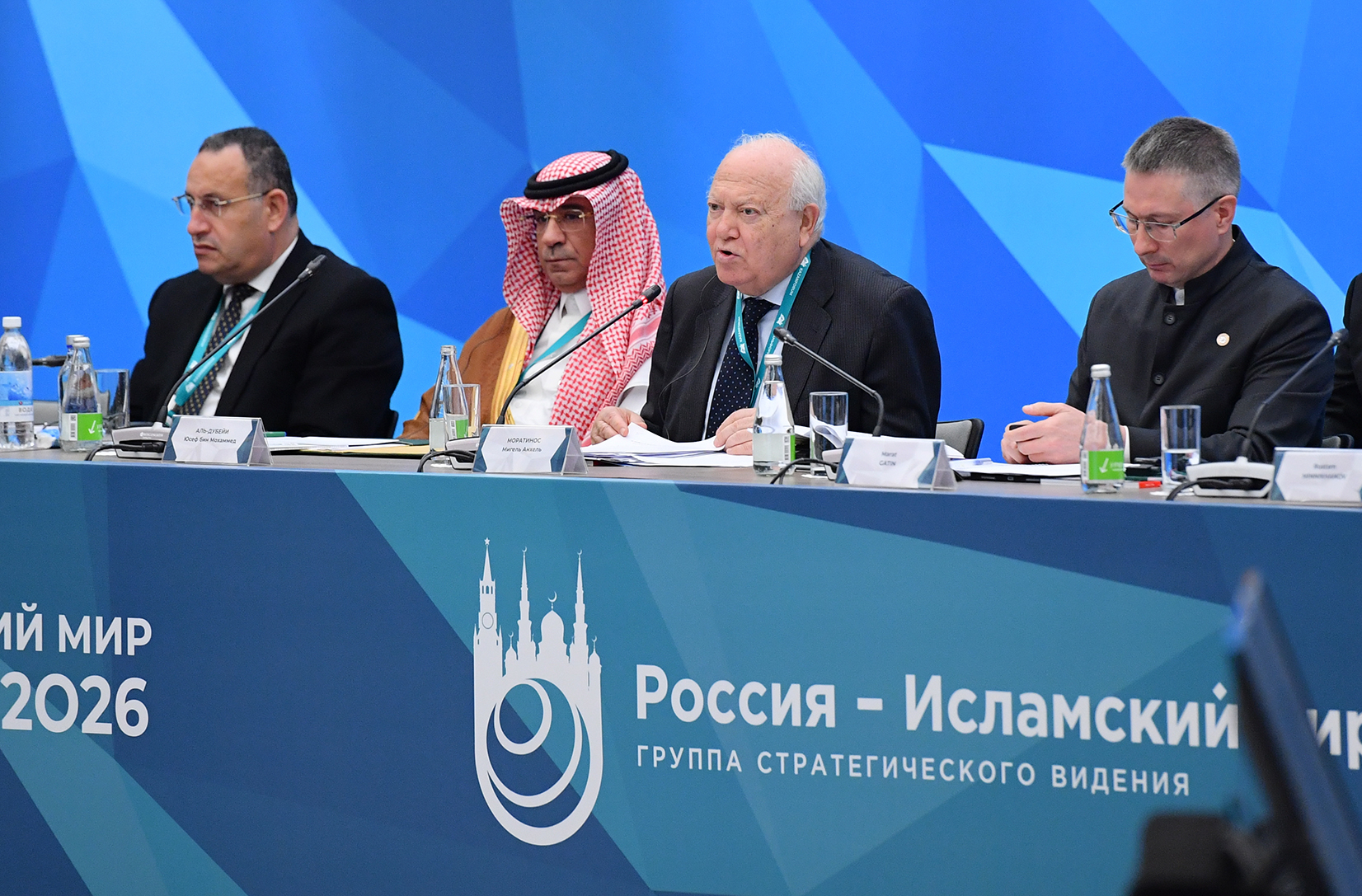
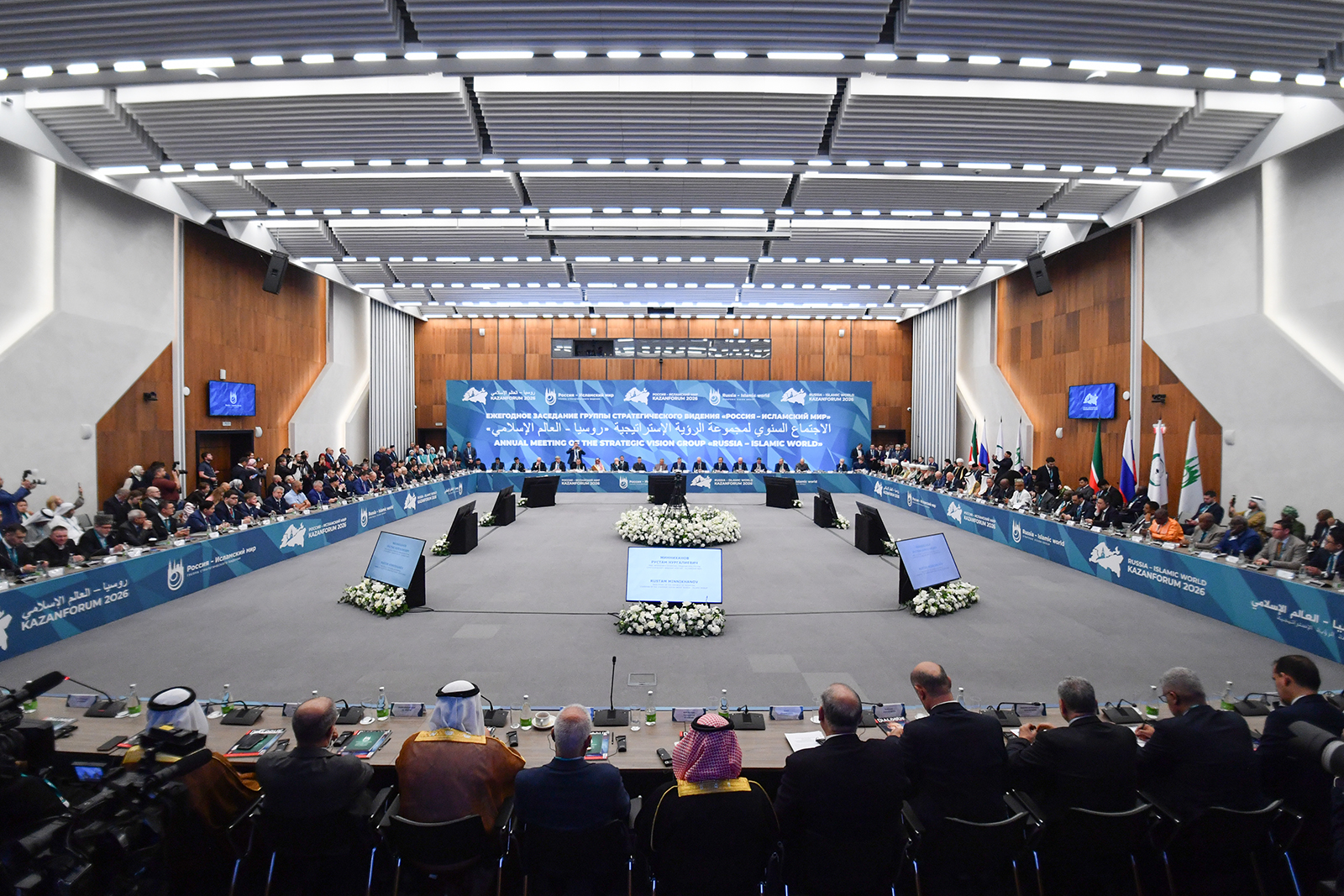
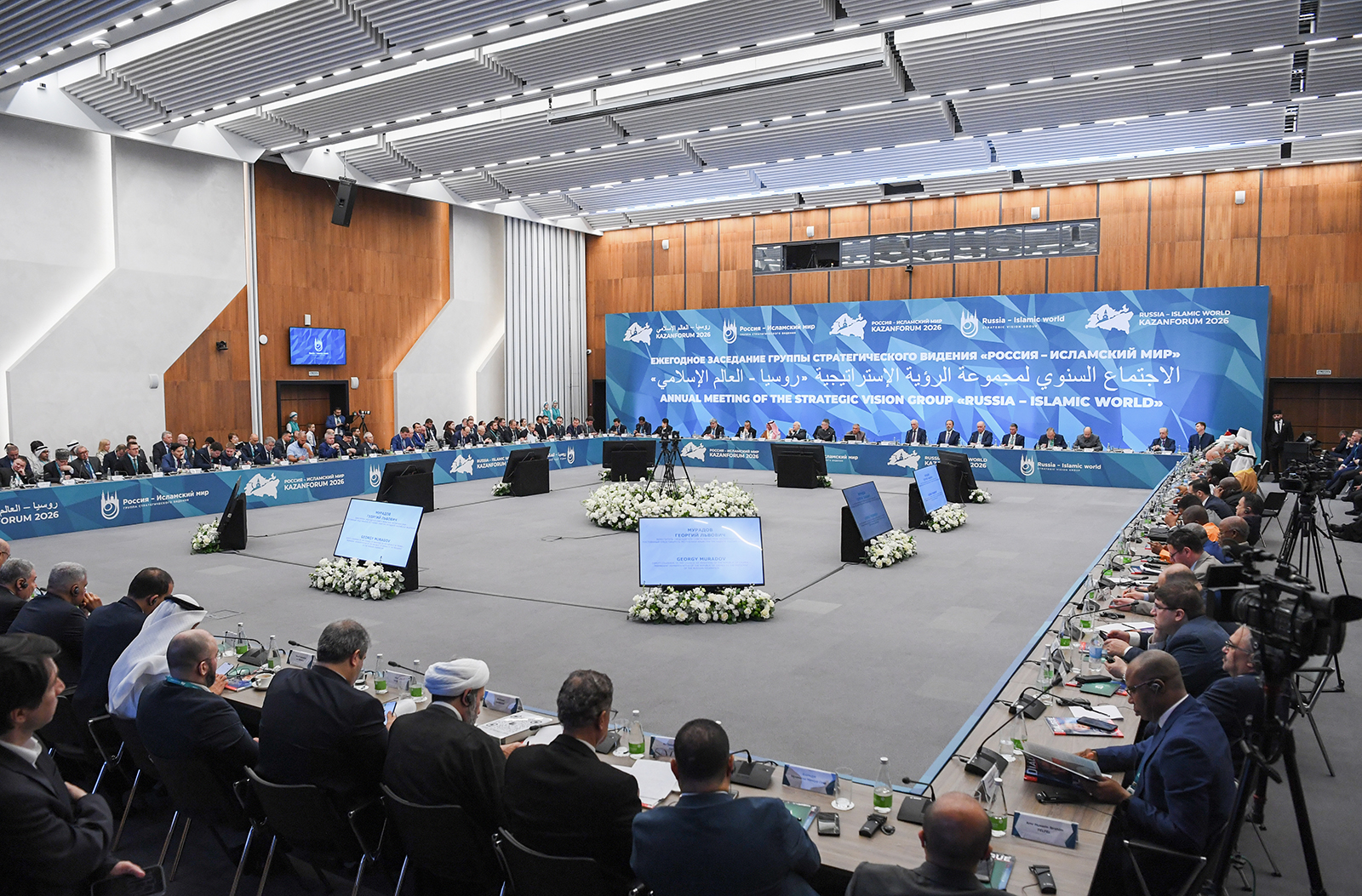
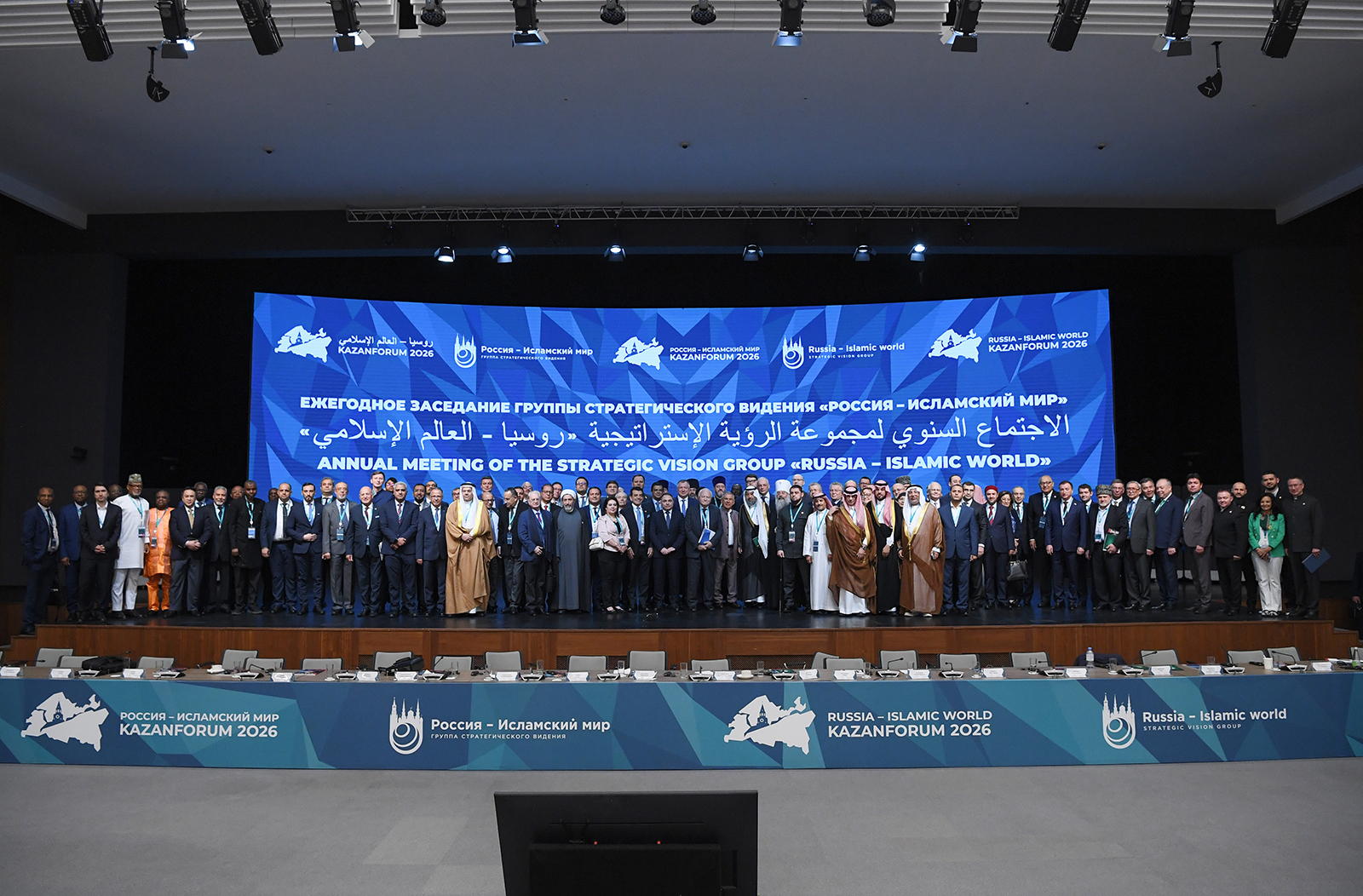
15 May 2026, Kazan, Russia
Excellencies,
Distinguished participants,
Ladies and gentlemen,
Allow me to begin with a brief reflection.
During one of my visits in the context of our work at the United Nations Alliance of Civilizations, I met a young participant who had recently participated in an intercultural dialogue program tailored to youth. She told me that, before joining, she had never spoken to someone from a different religious or cultural background. But after just a few days of dialogue, she said something that stayed with me: “I realized we were not as different as I thought—we care about the same things: respect, family, and desire living in peace.”
What struck me was not only her realization, but how quickly it emerged once there was an opportunity to engage openly and respectfully.
That simple anecdote captures the essence of why we are here today.
It is, therefore, a great honor to address this distinguished gathering at the International Economic Forum, “Russia – Islamic World: Kazan Forum”.
In this context, I wish to express my sincere appreciation to His Excellency Rustam Minnikhanov, Rais of the Republic of Tatarstan and President of the Strategic Vision Group “Russia – Islamic World,” for his leadership and commitment in advancing dialogue and cooperation between Russia and the countries of the Islamic world.
Under his guidance, this platform has continued to grow in both scope and relevance—bringing together diverse partners and fostering a spirit of engagement grounded in mutual respect, trust, and shared values. His efforts have contributed significantly to strengthening understanding and building bridges across regions and cultures.
At its core, this Forum reminds us that enduring partnerships are built not only on interests, but on shared values and mutual understanding.
The relationship between Russia and the Islamic world is shaped by history, geography, and long-standing human and cultural connections. Across these interactions, we see the importance of values that transcend borders:
Respect for diversity,
Commitment to dialogue,
Solidarity among communities,
And a shared aspiration for peace and development.
In today’s world—marked by polarization and uncertainty—these values are more important than ever.
Platforms such as Kazan Forum play an important role in translating these values into action. By fostering dialogue across sectors and societies, they create opportunities for cooperation that is practical, inclusive, and forward-looking.
Excellencies,
Allow me to address an issue that directly underscores the importance of our shared efforts.
Across different parts of the world, we are witnessing a troubling rise in anti-Muslim prejudice—expressed through stereotypes, exclusion, and at times acts of hostility.
Anti Muslim hatred does not emerge in a vacuum. It is fueled by misinformation, by political rhetoric that exploits fear, and by digital environments where dehumanizing narratives can spread unchecked. UN experts have warned of “alarming levels” of discrimination and attacks against Muslims — a reality that demands a more coordinated and systemic response.
The General Assembly’s resolutions 76/254 and 78/264 place clear responsibilities on all States. They reaffirm that freedom of religion or belief, freedom of expression, and the prohibition of incitement to hatred are not competing principles — they are mutually reinforcing obligations. Yet too often, these obligations are applied inconsistently or selectively. Challenging these double standards is essential if we are to build trust and credibility.
When the Secretary General appointed me as the first UN Special Envoy to Combat Islamophobia, he underscored that this is now a global political challenge — one that affects multilateral relations, domestic policymaking, and the daily lives of communities who feel increasingly targeted and marginalized. My mandate reflects the urgency of addressing this phenomenon not only through moral appeals, but through concrete frameworks and sustained political engagement.
Addressing this challenge requires clarity of purpose. Islamophobia is not only a matter of discrimination—it is a barrier to social cohesion and peaceful coexistence. When mistrust and misperceptions take hold, they weaken the very foundations of societies.
The response, however, does not lie in confrontation, but in strengthening understanding.
It lies in education, in dialogue, and in reaffirming the shared values that unite us—respect, human dignity, and mutual recognition.
Platforms such as this Forum contribute to this effort by creating spaces where engagement replaces misunderstanding, and where cooperation builds trust.
It is equally important to highlight that the values embedded in Islamic traditions—compassion, justice, respect for others, and care for the community—are universal in nature. Recognizing these shared principles allows us to move beyond narratives of difference and instead focus on what brings us together.
Excellencies, Ladies and Gentlemen,
The diversity within the Russian Federation, including its Muslim communities, and the rich heritage of the Islamic world together offer a unique foundation for dialogue and cooperation. These connections—cultural, social, and human—serve as bridges that bring societies closer together.
Mutual understanding, however, is not automatic. It must be nurtured through sustained engagement, openness, and trust.
People-to-people exchanges, youth engagement, and cultural dialogue are essential in this regard. They allow individuals to move beyond perceptions and to connect on the basis of shared experiences and values.
At the United Nations Alliance of Civilizations, we have long advocated for this approach—because dialogue is not only a means of preventing division, but a pathway to building inclusive and resilient societies.
Excellencies,
The continued strengthening of relations between Russia and the countries of the Islamic world demonstrates what can be achieved when cooperation is grounded in mutual respect and shared values.
Let us build on this foundation.
Let us continue to promote dialogue over division, understanding over misunderstanding, and partnership over isolation.
And let us work together toward a future where our diversity is recognized as a source of strength, and where our shared values guide us toward peace and common progress.
I would like to express my thanks again the organizers of Kazan Forum and the Strategic Vision Group for this important initiative, and I wish you all productive and meaningful discussions.
Thank you.