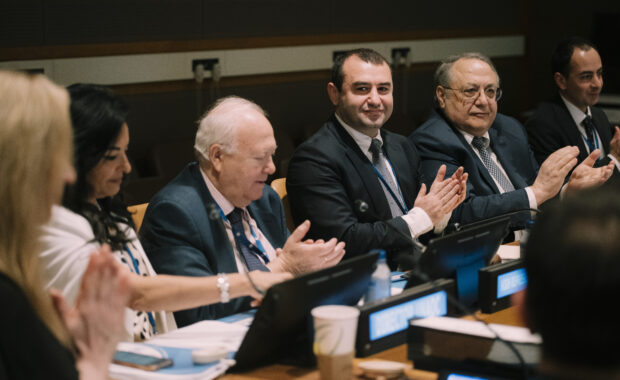
Remarks by Under-Secretary-General Miguel Ángel Moratinos, the High Representative for … [Read More] about High Representative’s Remarks at the Joint Briefing on the VI World Forum on Intercultural Dialogue
One Humanity.
Many Cultures.
UNAOC aims to improve understanding and cooperation among nations and peoples across cultures and to reduce polarization at local and global levels. It helps develop more inclusive societies, in which diversity is experienced as an asset.
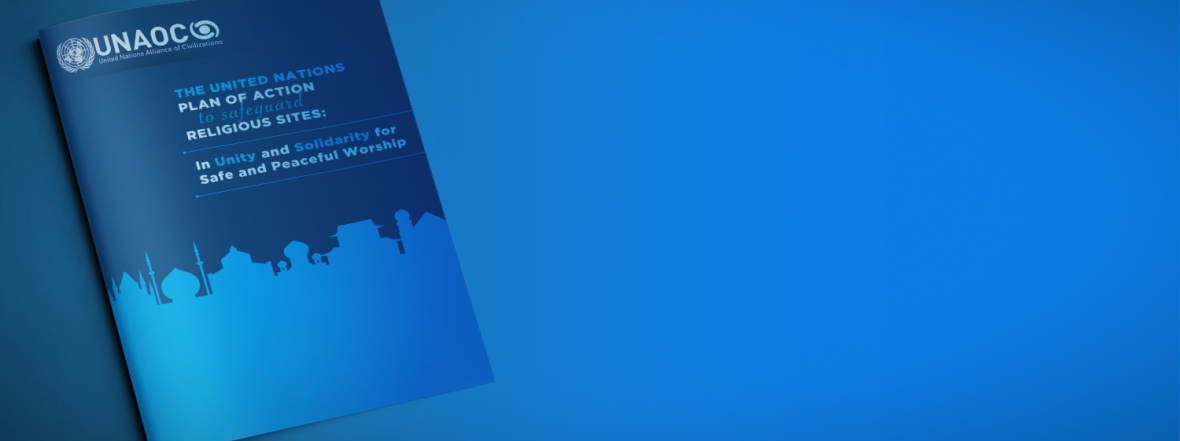
UNAOC Launches Global Call to Action #forSafeWorship
The global call to action #forSafeWorship aims to create personal, emotional connections with religious sites. It celebrates the universality of religious sites as symbols of our shared humanity, history, and traditions of people worldwide. It emphasizes the need to safeguard religious sites and underscores the role of individuals in protecting all sacred sites, regardless of religions or beliefs.
UNAOC High Representative, UN Special Adviser on Prevention of Genocide, and Special Rapporteur on Freedom of Religion decry rising antisemitism and Islamophobia around the world
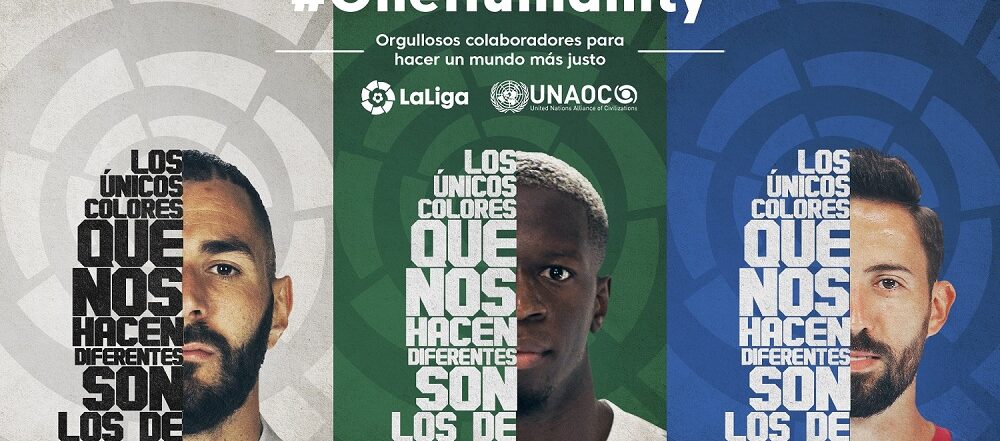
LaLiga and UNAOC join forces on #OneHumanity campaign
LaLiga joins forces with the United Nations Alliance of Civilizations to promote social inclusion, diversity, and mutual respect
A Call for Mutual Respect
Mr. Miguel Moratinos, High Representative for UNAOC, issued a Call for Mutual Respect of all religions and beliefs and for fostering a culture of fraternity and peace. The text re-affirms that acts of violence should not be associated with any religion, nationality, civilization, or ethnic group and that violence should never be a justifiable or acceptable response to acts of intolerance on the basis of religion or belief.

A Joint call for Solidarity, Compassion and Unity
In this time of physical distancing, we call for social solidarity and building bridges of kindness and compassion that transcend man-made walls. We also call for the protection of the most vulnerable, including the elderly, who are bearing the brunt of the pandemic.
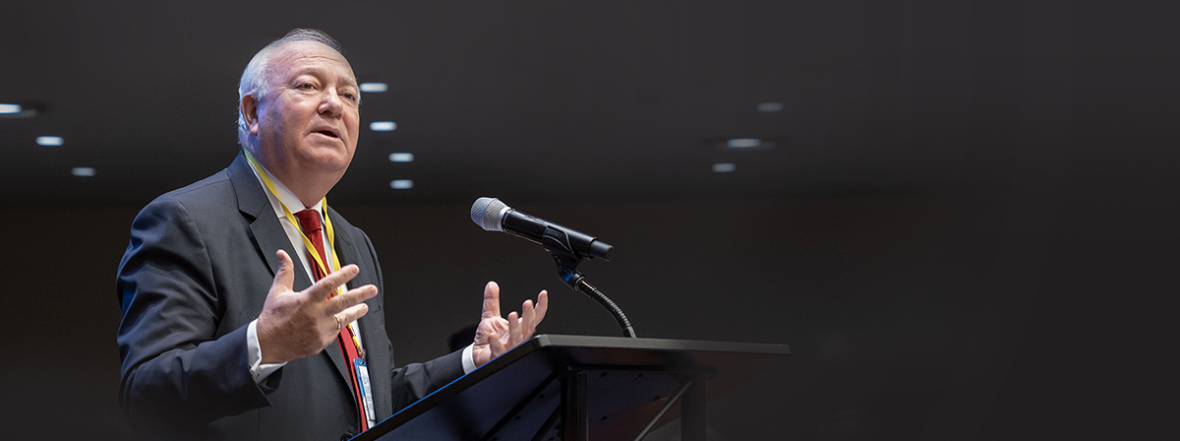
UNAOC High Representative
- High Representative’s Remarks at the Global Tolerance Alliance Special Edition at COP28 December 3, 2023
- High Representative’s Remarks at the High-level Segment of the International Conference on Human Rights and Civil Society May 10, 2022
- Remarks by the High Representative at the Side Event on ‘International Hub on Behavioural Insights to Counter-Terrorism: Fostering resiliency and human rights through a behavioral insights approach’ May 9, 2022
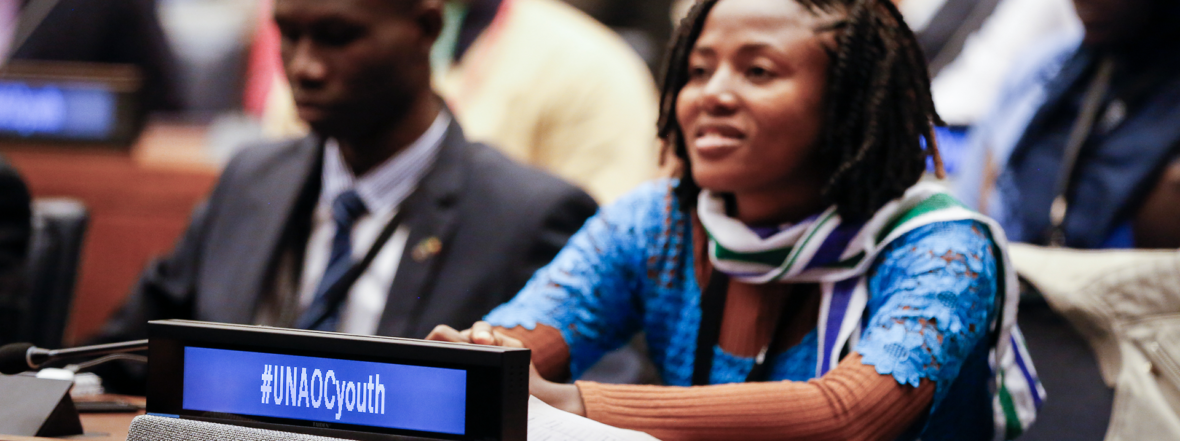
Project Activities
- United Nations Youth Video Festival Seeks Youth-made Videos on Migration, Diversity, and Inclusion March 11, 2024
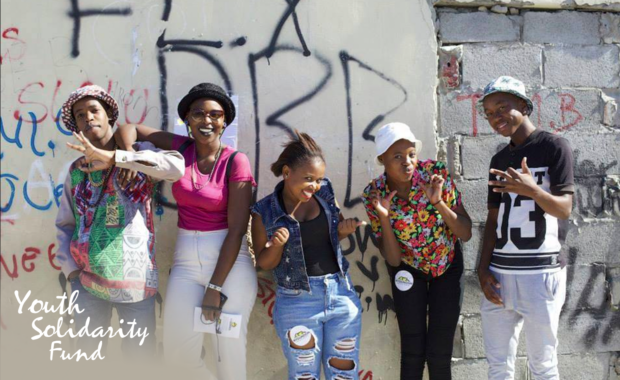
- UNAOC Selects Seven Youth-Led Organizations as Recipients of its Youth Solidarity Fund January 22, 2024
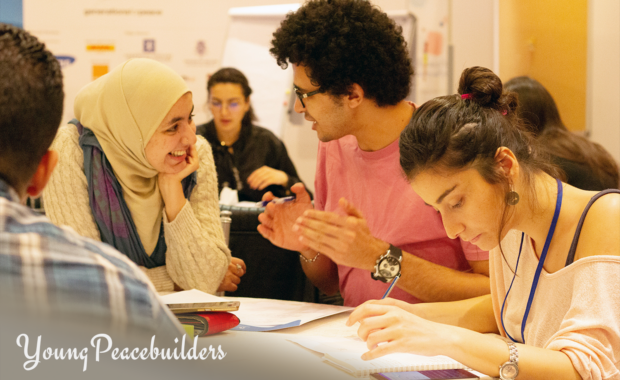
- UNAOC Welcomes New Cohort of Young Peacebuilders for the 7th edition of its Peace Education Initiative January 11, 2024
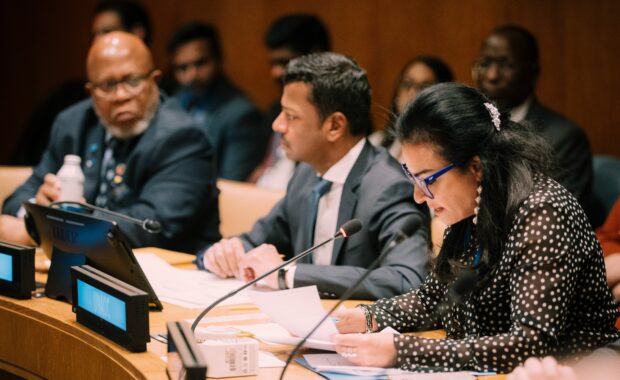
UNAOC Director’s Remarks at “Harmony in Diversity: Promoting Peaceful Coexistence”
Remarks by Ms. Nihal Saad, Director of United Nations Alliance of Civilizations … [Read More] about UNAOC Director’s Remarks at “Harmony in Diversity: Promoting Peaceful Coexistence”
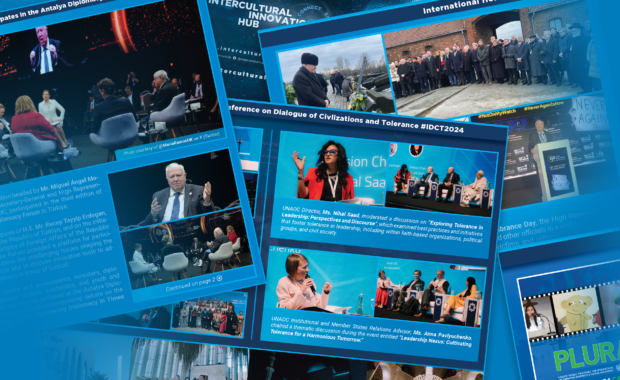
News Flash volume 37 – January to March 2024
A new edition of our News Flash is out now! Dive into the latest updates and insights from … [Read More] about News Flash volume 37 – January to March 2024
Joint Statement by the High-level Advisory Council of the United Nations Alliance of Civilizations (UNAOC) at the Conclusion of their Meeting in Baku, Azerbaijan
Joint Statement by The High-level Advisory Council of the United Nations Alliance of … [Read More] about Joint Statement by the High-level Advisory Council of the United Nations Alliance of Civilizations (UNAOC) at the Conclusion of their Meeting in Baku, Azerbaijan
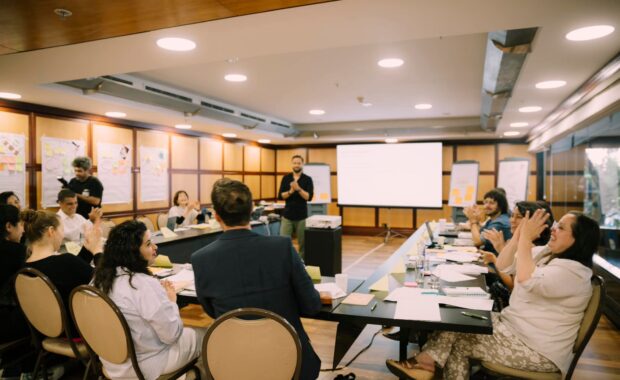
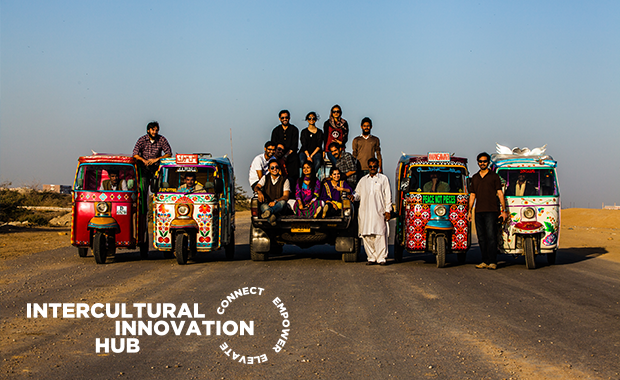
Intercultural Innovation Hub in Action: Capacity-Building Workshop in São Paulo, Brazil Expands Grassroots Impact of Recipient Organizations
The Intercultural Innovation Hub (IIH) – an initiative of UNAOC and the BMW Group, with … [Read More] about Intercultural Innovation Hub in Action: Capacity-Building Workshop in São Paulo, Brazil Expands Grassroots Impact of Recipient Organizations
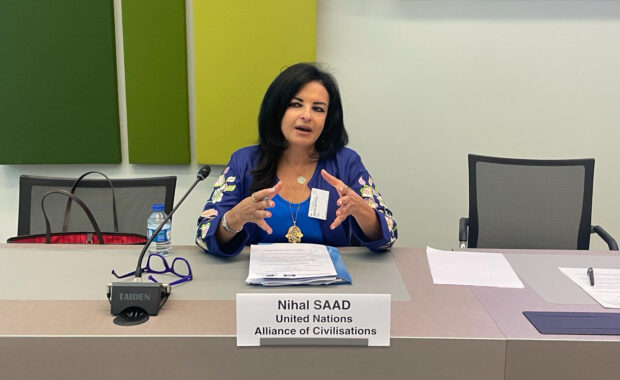
UNAOC Director Addressed the Coordination Meeting on Anti-Muslim Hatred at the Council of Europe in Strasbourg
Remarks by Ms. Nihal Saad, Director for the United Nations Alliance of Civilizations at … [Read More] about UNAOC Director Addressed the Coordination Meeting on Anti-Muslim Hatred at the Council of Europe in Strasbourg
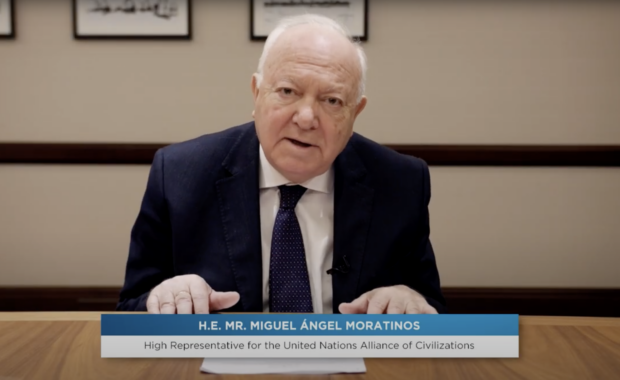
High Representative’s Video Message on the International Day to Combat Islamophobia
Video Message by Under-Secretary-General Miguel Ángel Moratinos, the High Representative … [Read More] about High Representative’s Video Message on the International Day to Combat Islamophobia
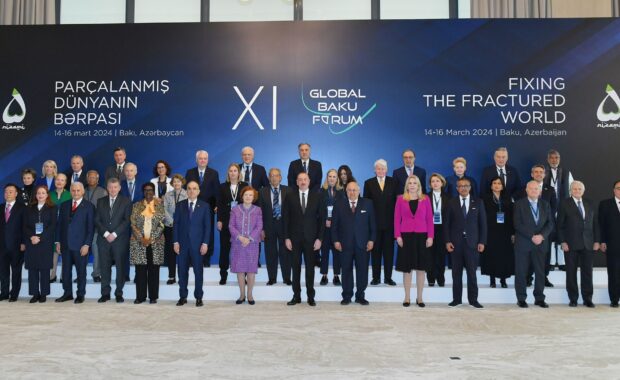
High Representative’s Remarks at the 11th Global Baku Forum: “Fixing the Fractured World”
Remarks by Under-Secretary-General Miguel Ángel Moratinos, High Representative for the … [Read More] about High Representative’s Remarks at the 11th Global Baku Forum: “Fixing the Fractured World”
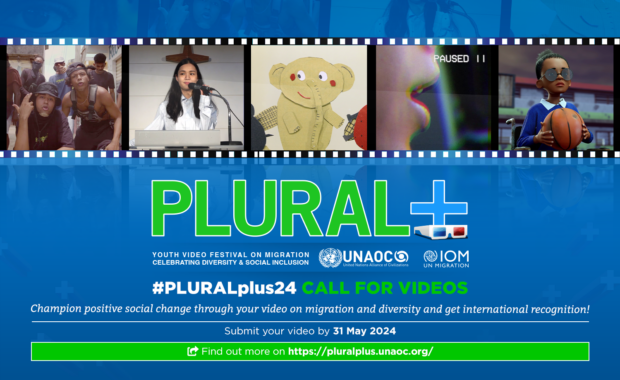
United Nations Youth Video Festival Seeks Youth-made Videos on Migration, Diversity, and Inclusion
High Representative’s Message on the Occasion of the Holy Month of Ramadan
On behalf of the United Nations Alliance of Civilizations, I send my warmest wishes to all … [Read More] about High Representative’s Message on the Occasion of the Holy Month of Ramadan
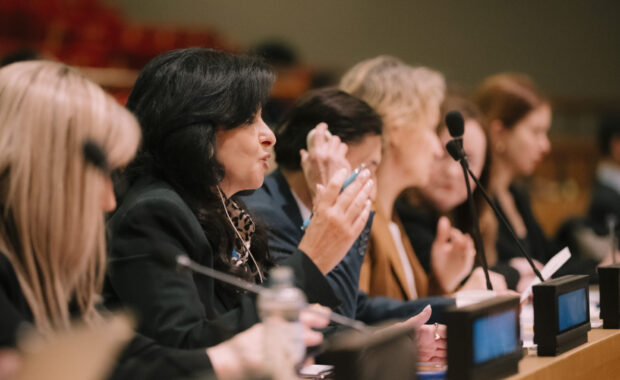
UNAOC Director’s Remarks at the UNOCT Ambassadorial-level Quarterly Briefing to Member States
Remarks by Ms. Nihal Saad, Director of the United Nations Alliance of Civilizations, at … [Read More] about UNAOC Director’s Remarks at the UNOCT Ambassadorial-level Quarterly Briefing to Member States
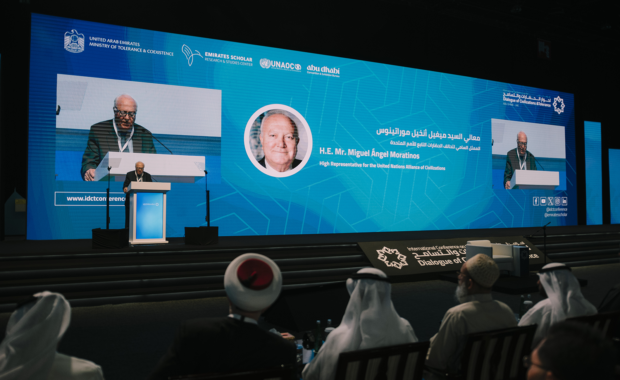
High Representative’s Remarks at the International Dialogue of Civilizations and Tolerance Conference in Abu Dhabi
Remarks by Mr. Miguel Ángel Moratinos, Under-Secretary-General and High Representative … [Read More] about High Representative’s Remarks at the International Dialogue of Civilizations and Tolerance Conference in Abu Dhabi